

 Meine Favoriten
 Abmelden
 Alle
Artikel online lesen
Alle
Artikel online lesen
 Weltwoche Schweiz

On September 16th, Mahsa Amini travelled from her hometown, Saqqez, to Tehran to visit relatives. There she was arrested by the morality police for allegedly immodest clothing. A streak of hair was showing from under her hijab. Hours after her arrest, she was declared dead. According to the police, Mahsasuffered a heart attack and a stroke.
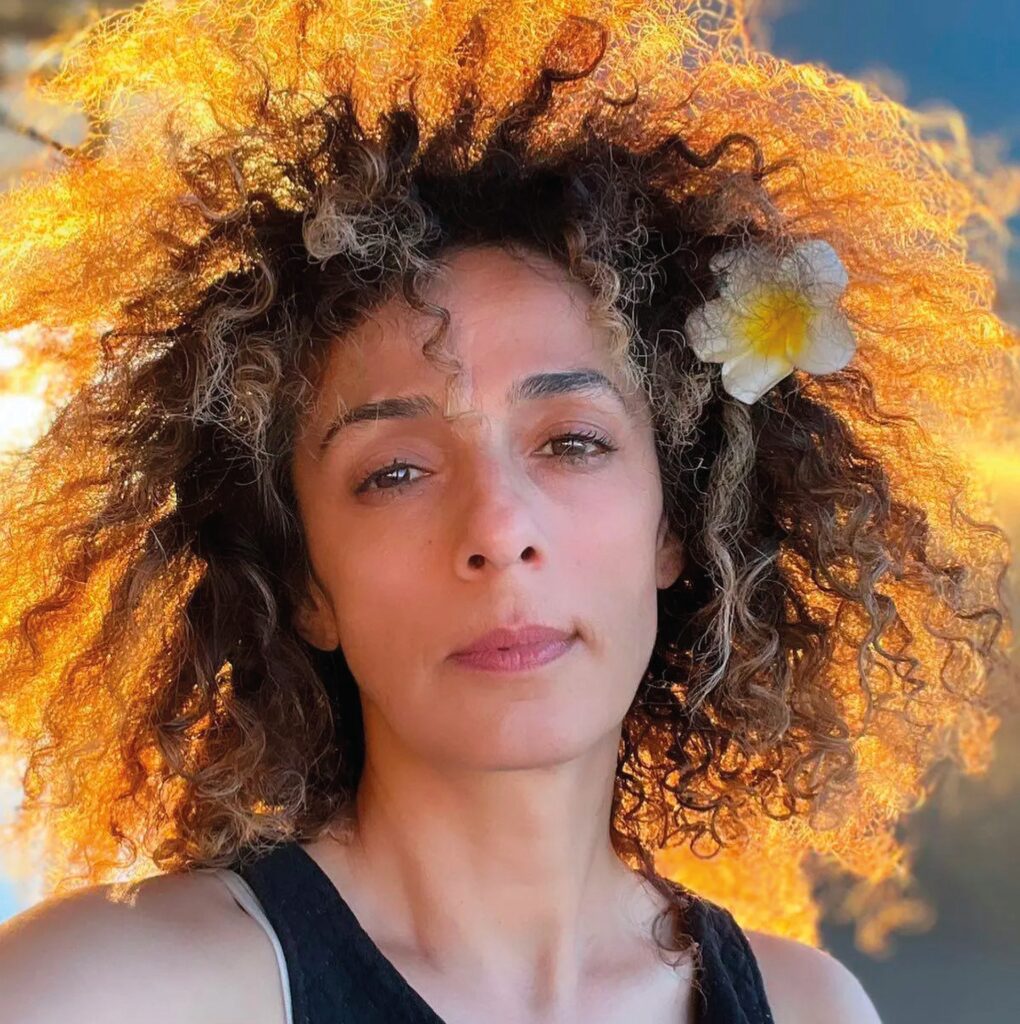
I can’t believe this, because I know that beating women is in the DNA of the morality police. Mahsa was only 22 years old. A CT scan shows severe injuries on her skull.
For years, I have received videos of women being beaten by the police. I publish them under #MyCameraIsMyWeapon on social media.
I have been warning the world about the danger of the morality police, but many female politicians and media have ignored us.
Now, the world is witnessing that the level of anger in the Iranian streets is very high.
In the past weeks, people have poured into the streets in dozens of cities across Iran. Many women are burning their headscarves and cutting off their hair.
Why are they doing that? Because compulsory hijab is not just a small piece of cloth for Iranians. It is the most visible symbol of oppression. It is the most visible symbol of ISIS, Taliban, and the Islamic Republic of Iran. For millions of Iranians, compulsory hijab is like the Berlin Wall. We believe that if we tear down this wall, the Islamic Republic will fall.
For the first time, you see women on the front lines, unveiled, and challenging one of the main pillars of the Islamic Republic. This has become a turning point for Iranian women; it will be a tipping point for the Islamic Republic.
The regime knows this. Consequently, it is cracking down on demonstrators with all of its might.
The women who send me videos all say the same thing: “Every day that we go out, we don't know if we'll come back alive.” But they also tell me, “They can kill us, but they cannot kill the idea behind our fight for a secular democratic country. This is 21st century. Women and men in Iran are like normal people around the world.”
In this pivotal moment of our history, I hear deafening silence from the West. Many argue that criticism of compulsory hijab will fuel Islamophobia.
Phobia is irrational, but our fear of the morality police who killed Mahsa Amini — our fear from the Islamic Republic which lashes women, jails women, kills people in the streets for not following Sharia laws — this fear is very real.
I ask: “Where are all the feminists in the West who fight for women’s rights?”
When women in the US took to the streets defending the right of self-determination over their bodies for sexual, marriage, and reproductive choices, I joined them.
I took part because the slogan was “my body, my choice.”
Now, I realize that “my body, my choice” is just for Western feminists. When it comes to the women of Iran and Afghanistan, our bodies are not our choice. Western Feminists don't seem to care that the regimes control of our bodies or that our bodies are political platforms for ISIS, the Taliban, and the Islamic Republic.
And what is the United States government doing? While the Iranian people are trying to get rid of the Islamic Republic, it seems that the Biden administration is trying to save it. It is trying to re-establish a nuclear deal that US President Trump had cancelled. Instead, the Biden White House gives billions of dollars to those who murdered Mahsa Amini so that they can kill more people in the streets.
This is a total betrayal. It is hypocrisy.
I met with President Biden’s national security adviser, Jake Sullivan. I told Sullivan that the Islamic Republic cannot be reformed. It doesn't matter how much you try, this regime will not change.
President Biden and the Democrats claim to be progressive. They claim that their policy is about democracy, about women's rights, about equality. But, now, we see their double standard. While people are in the streets, led by women protesting against the gender apartheid regime, Washington is not sending a signal to the democracy fighters. Instead, it is sending signals to the murderers.
The US government assures the mullahs that they will continue negotiations even if the regime keeps suppressing women, even if they smash the protests. This is not acceptable.
For eight years, Iranian journalist Masih Alinejad has published videos of Iranian women removing their head scarves. With more than 10 million followers on Facebook, Twitter, Instragram and other social media platforms, Alinejad is a key driver behind the Iranian women’s movement against the mandatory hijab law. “Yes, I am a threat” for the Iranian regime, Alinejad told Die Weltwoche when we met in 2019. Since then, “the menace of the mullahs” has become their prime target. Even in exile in New York, Alinejad is not safe. Last year, the FBI foiled a plot by Tehran to kidnap Alinejad and take her back to Iran to face trial and, likely, death.